
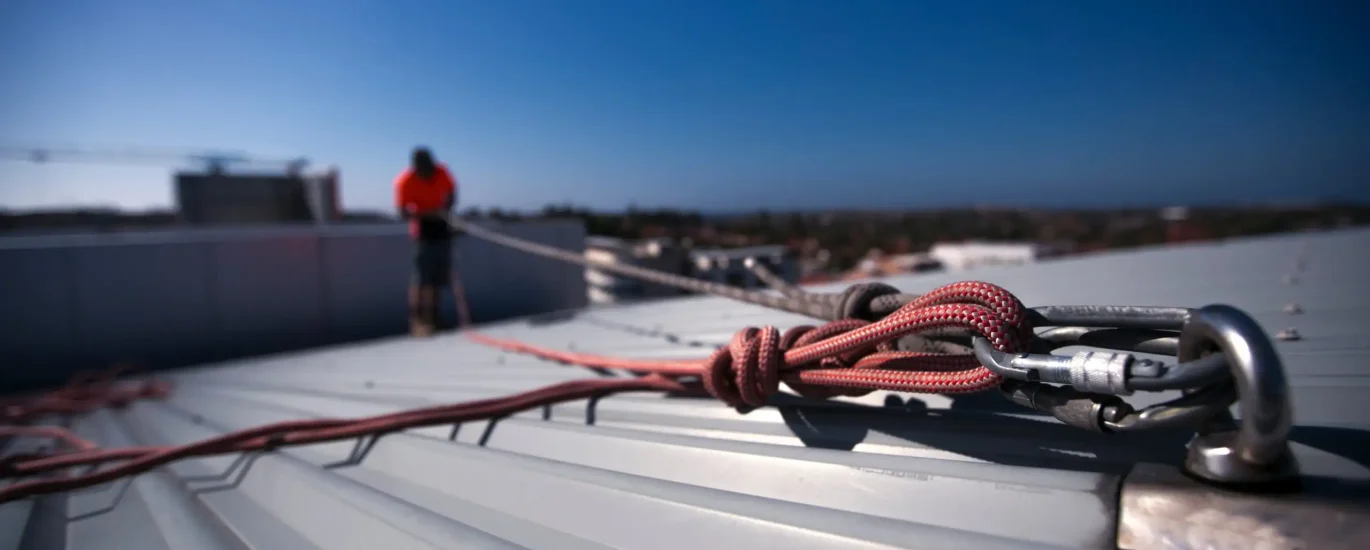
Safety compliance is a critical aspect of roofing and construction services that cannot be overlooked. Ensuring that all safety regulations and standards are met protects workers, clients, and the overall integrity of the project. This post explores the importance of safety compliance and best practices to foster a safe working environment in the roofing and construction industries.
1. Understanding Safety Regulations
Familiarize yourself with local, state, and federal safety regulations pertinent to the roofing and construction industries. Organizations like OSHA (Occupational Safety and Health Administration) provide guidelines that must be followed to ensure worker safety. Regular training sessions can help workers stay informed about the latest safety standards.

2. Conducting Risk Assessments
Assessing risks before starting any project is essential. Identify potential hazards associated with the work environment, tools, and materials. Regularly review and update risk assessments throughout the project to adapt to any changing conditions or new risks.
3. Providing Personal Protective Equipment (PPE)

Ensure that all workers have the necessary personal protective equipment, such as hard hats, gloves, safety goggles, and harnesses. Proper use of PPE significantly reduces the risk of injury and promotes a culture of safety on the job site.
4. Implementing Safety Training Programs
Regular safety training and drills for all team members are crucial for reinforcing the importance of safety compliance. Offer comprehensive training that covers equipment operation, hazard recognition, and emergency procedures. Engaging workers in safety discussions can foster a proactive safety culture.
5. Encouraging Open Communication
Create an environment where employees feel comfortable reporting safety concerns or incidents without fear of repercussions. Open communication helps identify potential risks early and enhances overall workplace safety.
6. Monitoring Compliance
Regularly monitor job sites for compliance with safety regulations and company policies. Conduct audits and inspections to ensure that safety measures are being followed, and address any violations immediately.

7. Fostering a Safety-First Culture
Cultivating a safety-first culture within your organization can lead to more efficient and productive projects. Encourage team members to prioritize safety in every task and recognize those who exemplify safe practices.
Conclusion
Safety compliance in roofing and construction services is essential for protecting workers and ensuring project success. By understanding regulations, conducting risk assessments, providing proper equipment, and fostering open communication, companies can create a safer work environment. Prioritizing safety not only enhances productivity but also contributes to a positive reputation and long-term success in the industry.

